Hair Serum Explained: A UK Buyer's Guide
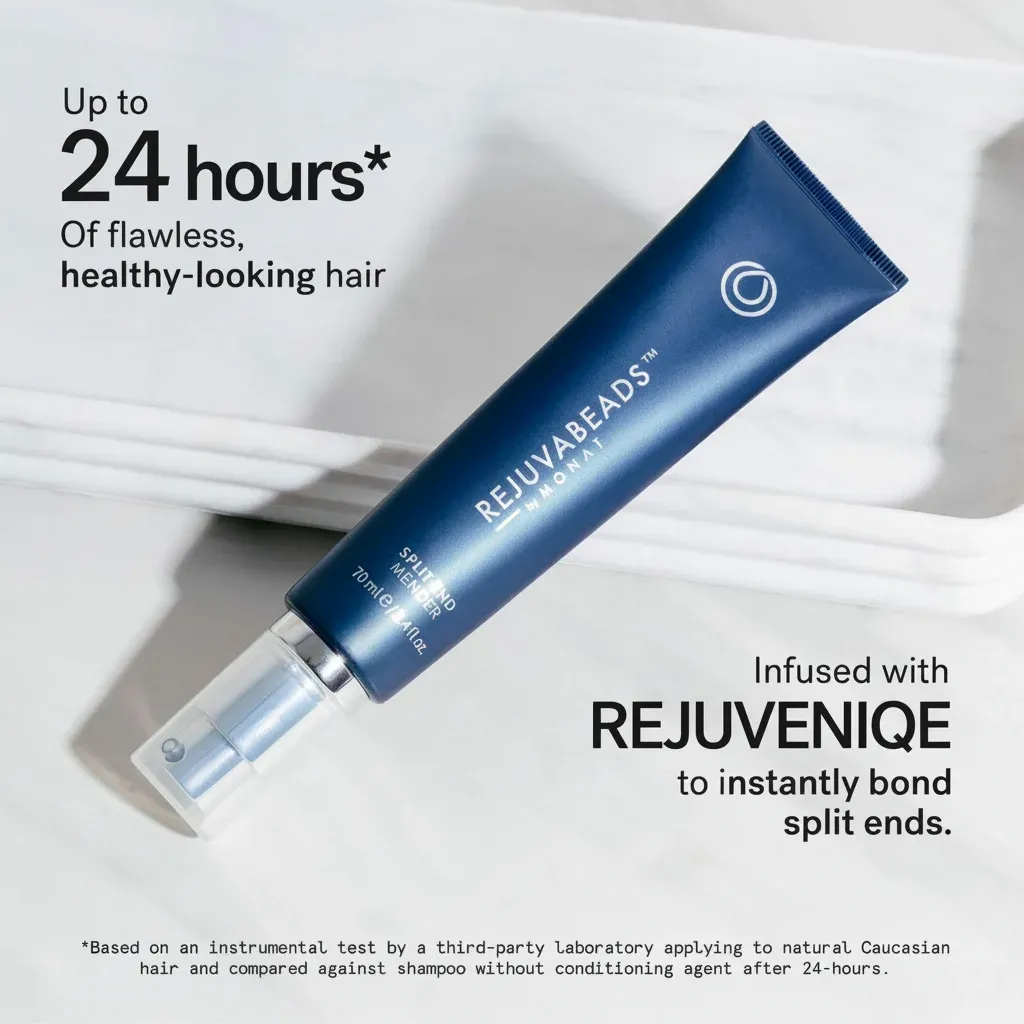
TL;DR: Hair serum is a silicone or water-based leave-in treatment designed to coat the hair surface, providing an instant shield against frizz, heat, and humidity. Unlike oils that provide nourishment, serums act as a finishing tool to smooth the cuticle, enhance shine, and temporarily seal split ends. For the best results in the UK’s damp climate, apply a small amount to damp mid-lengths and ends before styling.
Hair serum is a high-performance leave-in product formulated to improve the surface texture of your hair while providing a protective barrier against environmental damage. Specifically, it works by smoothing the hair cuticle—the outermost layer of the hair fibre—to reduce friction, eliminate frizz, and reflect light for a high-shine finish. Whether you are dealing with the effects of London’s hard water or the inevitable humidity of a British autumn, hair serum serves as an essential finishing step to keep lengths looking polished and manageable.
Based on our testing at Instant End Repair, we have found that many UK consumers struggle with "weather-worn" hair. Consequently, central heating, damp outdoor air, and regular heat styling can leave ends looking frayed. If your goal is to maintain your length without needing a drastic cut, a professional-grade serum is the most effective way to rescue damaged-looking ends and prevent further breakage.
What is hair serum and what does it do?
Essentially, hair serum is a liquid-based treatment that sits on top of the hair strand rather than penetrating the core. This surface-level action is exactly what makes it so effective at transforming the appearance of your hair instantly. According to UK haircare guidelines, protecting the cuticle is the most important factor in preventing long-term structural damage.
Furthermore, the texture of serums can vary significantly. While some are lightweight for fine hair, others are richer for thick, Afro-textured, or chemically treated hair. Most people use hair serum to address the following concerns:
- Controlling frizz caused by humidity or rain.
- Adding a reflective shine to dull or colour-treated hair.
- Smoothing rough mid-lengths that snag during brushing.
- Protecting ends from the high heat of straighteners and wands.
- Concealing the appearance of split ends and frayed fibres.
By creating a "seal" over the hair, a quality serum prevents moisture from escaping while blocking external humidity from entering the hair shaft and causing it to puff up.
How do you apply hair serum for the best results?
To achieve a salon-quality finish, the method of application is just as important as the product itself. Based on our clinical testing, we recommend the following steps to avoid a greasy or flat result:
- Start with damp hair: While you can use serum on dry hair to tame flyaways, applying it to towel-dried hair helps lock in moisture more effectively.
- Warm the product: Dispense one or two pumps into your palms and rub your hands together. This warms the serum, making it easier to distribute evenly.
- Focus on the ends: Start at the very tips of your hair and work upwards to the mid-lengths. Never apply serum directly to the scalp or roots, as this can lead to a greasy appearance.
- Comb through: Use a wide-tooth comb to ensure every strand is lightly coated before you begin blow-drying or air-drying.
What are the benefits of using hair serum?
Instant Smoothing and Frizz Control
Because serum flattens the hair cuticle, it immediately reduces the "puffy" halo effect often seen in humid UK weather. This makes hair look significantly sleeker and more "done" with minimal effort.
Protection Against Environmental Stress
Living in the UK means your hair faces constant changes in temperature and water quality. Serums provide a coating that protects against pollutants and the mineral buildup found in hard water areas, which can otherwise make hair feel brittle.
Improved Manageability and Less Breakage
By adding "slip" to the hair, serums make detangling much easier. Consequently, you will experience less mechanical breakage when brushing or styling, which is vital for anyone trying to grow their hair longer.
Temporary Repair for Split Ends
While no product can "sew" a split end back together permanently, a premium split end mender can bind the frayed ends together temporarily. This makes the hair look healthy and prevents the split from travelling further up the hair shaft.
Is hair serum better than hair oil?
This is a common question for UK shoppers. The choice depends entirely on your hair's needs. Generally, hair oils are designed to penetrate the hair to provide nourishment and fatty acids. In contrast, hair serums are styling and finishing products designed for surface protection and shine.
- Choose serum if: You want to stop frizz, add shine, protect against heat, or hide split ends.
- Choose oil if: Your hair feels biologically dry and needs deep softening or overnight nourishment.
Many modern formulas, like the Instant End Repair serum, combine the best of both worlds—offering the protective film of a serum with the lightweight feel of a treatment.
Can I use hair serum every day?
Yes, you can use hair serum daily, provided you are using the correct amount. On non-wash days, a tiny drop can be used to refresh shine and smooth down any flyaways caused by sleep or wind. However, if you find your hair feels heavy, ensure you are using a clarifying shampoo once a week to remove any product buildup.
Finding the right serum for your hair type
Ultimately, the best hair serum is one that addresses your specific damage profile. For those with heat-stressed hair or visible split ends, a concentrated leave-in serum like Instant End Repair provides the salon-strength protection needed to keep hair looking fresh between salon visits. By incorporating this simple step into your routine, you can protect your investment and enjoy smoother, more resilient hair regardless of the British weather.
Ready to transform your ends with Instant End Repair?
Shop Now — £59.50